

Key Points:
- The Dzaleka Refugee Camp Nutrition Program offers vital health and nutrition services to vulnerable women and children.
- The program is supported by Resurrection, a United Methodist Church with nine locations in the Kansas City area.
- A unique permaculture component empowers refugees with sustainable skills, fostering self-reliance and long-term resilience.
In the sprawling expanse of the Dzaleka Refugee Camp, nestled in Malawi’s Dowa District, a profound humanitarian crisis unfolds.
Home to an estimated 57,000 refugees, a staggering 93% of whom are women and children, the camp is stretched far beyond its original capacity of 10,000 to 12,000 residents. Fleeing conflict and instability in the Democratic Republic of Congo, Burundi, Rwanda, Ethiopia and Somalia, the refugees often find themselves facing food insecurity.
How to help
Recent funding cuts, including significant reductions in support from the United Nations High Commissioner for Refugees and World Food Programme, have left thousands struggling to meet basic nutritional needs.
“The situation in Dzaleka is critical, especially for our women and children,” said Maurice Solola, Malawi Provisional Annual Conference acting health coordinator.
The United Methodist Church is extending hope through its Dzaleka Refugee Camp Nutrition Program. The initiative — supported by Resurrection, a United Methodist Church with nine locations in the Kansas City area — delivers integrated health and nutrition services.
Resurrection, which has donated $50,000 toward the program to date, has been in partnership with the church in Malawi since 2009. This is one of several projects the congregation supports to provide relief, advance sustainable farming, foster literacy and empower communities.
“The UMC’s intervention is not just about providing food; it’s (also) about restoring dignity and building a healthier future for these resilient individuals who have already endured so much,” Solola said.
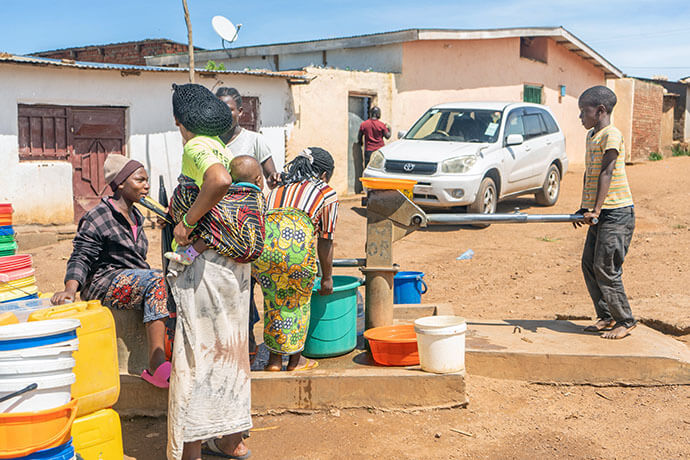
The program’s core is its monthly clinic day, a supplementary feeding program designed to reach those most at risk of malnutrition: children under age 5, pregnant and lactating mothers, and people living with HIV and AIDS. Each clinic day begins with a morning devotion, creating an environment that offers hope and encouragement.
“We believe in nurturing both the body and the spirit,” said Milca Mkorongo, a nutrition program officer. “The morning devotion sets a positive tone and reminds everyone that they are not forgotten.”
Participants undergo a comprehensive nutrition assessment, including height, weight and other measurements to identify severe acute malnutrition.
The program primarily distributes Corn-Soy Blend with Groundnut Flour (CSB+). The mixture is rich in energy, protein and healthy fats crucial for combating malnutrition.
In November 2024, the program enrolled 37 children under age 5, 13 pregnant women, 37 lactating mothers and three people living with HIV/AIDS. The program’s positive impact is already visible, with nine participants showing improvement and graduating from the program.
The church initiative also teaches refugees about permaculture, empowering them with skills in producing nutritious likuni phala, a porridge mix made from soybeans and maize.
“Before this program, my children were always weak, and I worried constantly about their health,” said Uwase Kavaruganda, a lactating mother in the camp. “The church’s help with this nutritious flour and teaching us about permaculture has given us not just food but also hope and a way to feed ourselves. We are so grateful.”
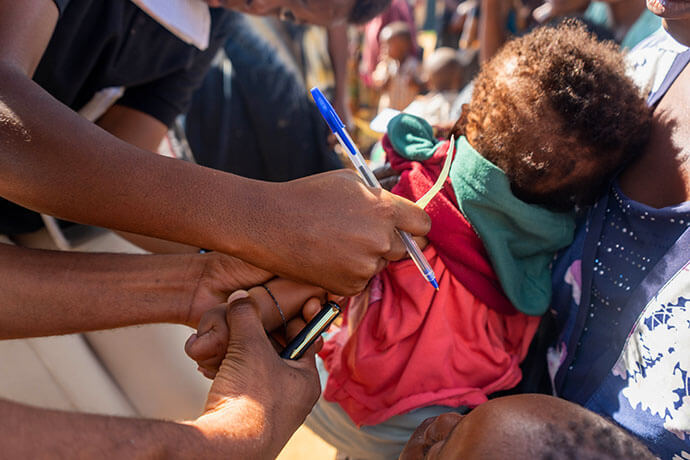
Recipient Jeannette-Pierre Nsengimana said life in the camp has been incredibly tough.
“Food was scarce, and my energy was low. When The UMC started this program, I felt a glimmer of hope. The nutritional support has made a huge difference, and the permaculture training is empowering us to grow our own food, which is a blessing beyond measure.”
Fatuma Hassan is pregnant and lives at the camp. She said she used to feel hopeless, seeing how malnutrition affected so many in her community. “But with The UMC’s support, I now have access to nutritious food, and I’m learning how to grow it myself. This program is truly a gift that keeps on giving, and I thank the church from the bottom of my heart.”
Subscribe to our
e-newsletter
The permaculture demonstration land has become a vital hub for learning and inspiration, highlighting sustainable and regenerative farming practices that many refugees are now adopting in their own homes. The approach addresses immediate nutritional needs while fostering long-term resilience and self-reliance.
“The challenges in Dzaleka are immense, and the needs continue to grow, especially with other organizations facing funding constraints,” said the Rev. Daniel Mhone, Malawi Provisional Annual Conference superintendent. “We urge the Church of the Resurrection and other partners to continue their collaborative efforts to ensure sustainable solutions and promote a healthier future for the vulnerable groups at the camp and the host community.
“This is a meaningful social witness.”
Nkhoma is a communicator in Malawi.
News media contact: Julie Dwyer at (615) 742-5470 or newsdesk@umnews.org. To read more United Methodist news, subscribe to the free UM News Digests.


