
Key points:
- This new year is less about starting over and more about finding a faithful rhythm — a clean page rather than a blank one.
- Strengthening the Black Church for the 21st Century is working to meet the urgent needs of Black congregations and helping them find their rhythm again.
- In a time when public trust is fragile and institutions are being questioned, the Black Church still holds moral authority — but only if we are willing to steward it well, writes the Rev. Dr. Michael L. Bowie Jr.
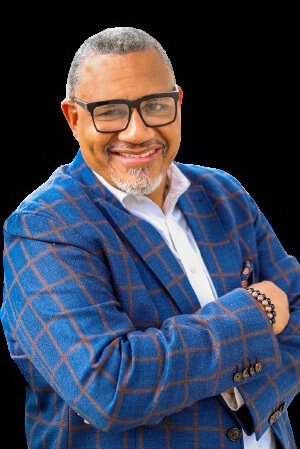
Photo courtesy of the author.
Commentaries
I recently saw a social media post that suggested that a new year offers a clean page, not a blank one. I thought about that, and it resonated with me because often we look forward to a new year starting with a blank slate.
Some could find meaning in that concept. However, I want to offer this for thought. The Strengthening the Black Church for the 21st Century Office of Social Justice works with local churches to create expungement clinics for individuals in communities who may be locked out of opportunity because of a criminal record — a blank slate would be very much favorable in that situation. Yet, a fresh start is not always about erasing the past. It is often about learning from it.
Expungement clinics do not erase the fact that a person has been justice-involved. They offer something more honest and more powerful: a clean page, a do-over rooted in who that person is now. A clean page honors growth, accountability and transformation. It recognizes experience while making room for redemption.
That distinction matters, not just for individuals, but for the church.
I want to suggest that this new year is less about starting over and more about finding a faithful rhythm — a clean page rather than a blank one.
For more than 25 years, Strengthening the Black Church for the 21st Century has worked intentionally and tirelessly to provide real-time, relevant and cutting-edge resources, programs and leadership development opportunities for pastors, laity and faith leaders across the country. Our work has always been rooted in the lived realities of Black communities and responsive to the evolving needs of the Black Church.
And make no mistake, those needs are urgent.
The Black Church is being challenged on multiple fronts. We are witnessing a decline in clergy leadership and worship attendance, while simultaneously seeing an increase in attacks on Christianity itself. We are navigating a renewed rise in mass detention and incarceration — particularly tied to the targeting of immigrant communities. We are confronting the rollback of civil rights protections, the continued erosion of voting rights, and deepening economic and social disparities that disproportionately impact Black and marginalized communities.
At the same time, many congregations are struggling to engage younger generations, even as young adults are asking deeper questions about purpose, justice, faith and leadership. The question before us is not whether the church is relevant, but whether we are willing to lead with courage, clarity and conviction.
This is where SBC21 stands in the gap. Guided by the Sankofa principle — a Ghanaian belief that teaches us to retrieve what is valuable from the past to move wisely into the future — SBC21 is entering a 2.0 season. We are carrying forward both our wins and our challenges with renewed determination, innovating new ways to educate, equip and empower the Black Church to meet this moment.
Subscribe to our
e-newsletter
We walk alongside congregations not with one-size-fits-all solutions, but through customized training, coaching and convenings designed to strengthen vitality, resilience and impact. Our work spans leadership development for pastors and ministry leaders, pathways for young adults discerning a call to ministry and intentional engagement around social justice issues such as mass incarceration, reentry and community transformation.
We believe the church must be both spiritually grounded and socially responsive.
In a time when public trust is fragile and institutions are being questioned, the Black Church still holds moral authority — but only if we are willing to steward it well. That means telling the truth, addressing injustice, nurturing leaders and reimagining ministry for a changing world. It means understanding that tradition is not the enemy of innovation, and that faith must be lived, not just preached.
A clean page allows us to build on what we have learned — what has worked, what has not and where God is calling us next.
As we move deeper into 2026, SBC21 remains committed to helping churches find their rhythm again — not by abandoning who we have been, but by courageously stepping into who we are becoming. This moment requires leaders who are spiritually formed, socially aware and strategically prepared.
Now more than ever, SBC21 is needed — not to help the church start over, but to help the church move forward.
With wisdom. With purpose. And with hope.
Bowie serves as the national executive director of Strengthening the Black Church for the 21st Century. With more than two decades of pastoral leadership, he is the author of “Dare to Shift” and is committed to equipping the Black Church to lead with relevance, courage and impact in a changing world.
News media contact: Julie Dwyer at newsdesk@umnews.org. To read more United Methodist news, subscribe to the free UM News Digest.

