
Key points:
- May is National Speech-Language-Hearing Month, a good time for United Methodist churches to examine ways to improve hearing accessibility.
- The United Methodist Church can open doors to talented and Spirit-empowered people as it provides access to the Deaf community.
- With the increasing sophistication of technology, many tools for enhanced communication are surprisingly affordable.
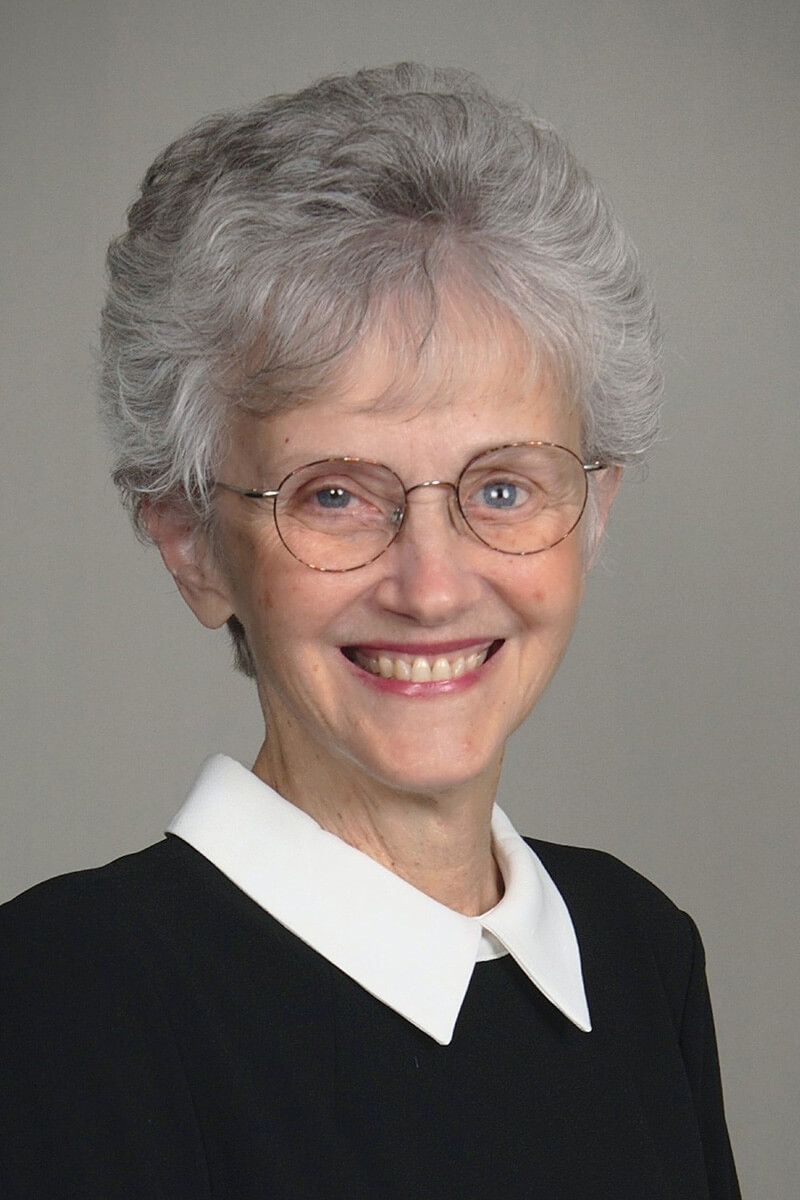
Photo courtesy of the author.
Commentaries
The Apostle Paul wrote, “How then will they call on him in whom they have not believed? And how are they to believe in him of whom they have never heard? And how are they to hear without someone preaching?” (Romans 10:14)
I took these words quite literally when I felt a call into the ordained ministry of The United Methodist Church some 50 years ago. I was a vocal music teacher at the time, and I couldn’t imagine life without auditory music. I felt an unmistakable nudge to pursue Deaf ministry and several years later was appointed to an all-Deaf congregation in Baltimore.
We know that the Apostle Paul was talking about barriers to communicating the Gospel in his letter to the Romans and not necessarily someone with a hearing loss. But the question remains: How can we include people who are left out because they cannot physically hear?
There are many in our churches who find it challenging to participate fully in the life of the church because of total deafness and partial deafness and deaf-blindness. There are many who won’t even try to become part of a church because there is no access.
Lisa Harvey, the president of the United Methodist Committee on Deaf and Hard-of-Hearing Ministries who happens to be Deaf writes: “As today’s churches face an increasing aging population, hearing accessibility becomes even more important. We must strive to meet the communication needs of all parishioners. This will look different, depending on the congregation and the constituents. Providing Sign Language interpreters, tactile interpreters, listening devices, and captioning are some of the means of improving our reach.”
People with hearing challenges as well as all members of the Body of Christ are gifted and needed for the church to function at full capacity. The church can open doors to many talented and Spirit-empowered people as it provides access to the Deaf community.

This month is National Speech-Language-Hearing Month. This is a good time to examine the many ways your church could improve its communication skills. There are helpful resources on the United Methodist Committee on Deaf and Hard-of-Hearing Ministries webpage.
Subscribe to our
e-newsletter
As churches explore these many options for accessibility, always ask the people who need communication inclusion to explain what is most helpful and never assume that you know. Also don’t assume that various tools for enhanced communication are a budget breaker. With the increasing sophistication of technology, many options are surprisingly affordable.
Take the first step and your congregation will notice how many people will find increased communication access to be a benefit to all. You will be answering the Apostle Paul’s ancient question, “How can people hear the Gospel” in a new and wonderful way.
Bishop Johnson, retired, served as bishop of the Eastern Pennsylvania and Peninsula-Delaware conferences from 2008 to until her retirement in 2021. She was then interim bishop of the New England Conference in 2023-24.
News media contact: Julie Dwyer, news editor, newdesk@umnews.org. To read more United Methodist news, subscribe to the free UM News Digest.

