
Key points:
- New Clergy Act allows U.S. ministers who aren’t covered by Social Security and Medicare to opt in during the 2029 and 2030 tax years.
- The law, which had bipartisan support, is the result of years of advocacy by the Church Alliance, which includes The United Methodist Church’s Wespath.
- The law doesn’t change existing Social Security rules, and it is not yet known how the opt-in process will work.
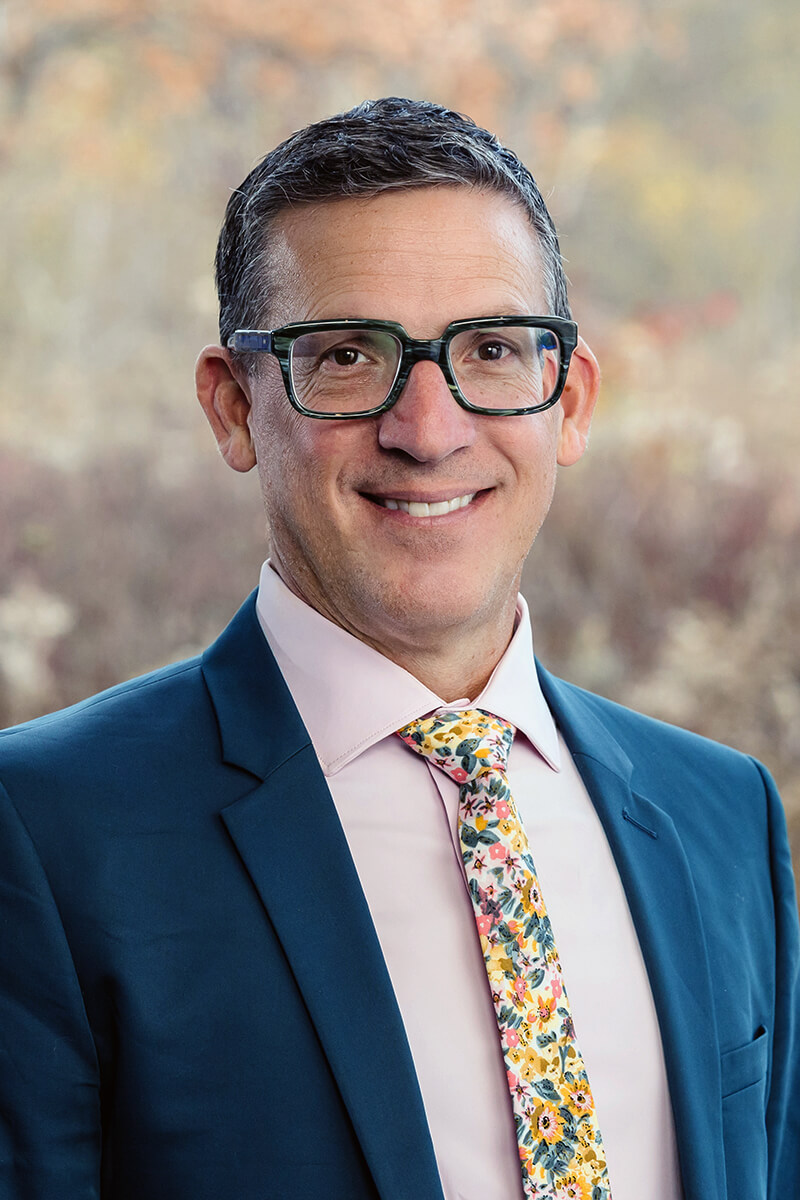
Photo courtesy of Wespath.
Commentaries
In a time when it feels like society agrees on very little, it’s encouraging to see people of many faiths and varying political stances come together around a simple idea: Clergy deserve greater financial security in retirement.
On Oct. 21, the Clergy Act was signed into law, giving clergy who previously opted out of Social Security and Medicare the opportunity to opt back in. The opt-in window will be available in taxable years 2029 and 2030.
The law had nearly unanimous support in Congress. Two Republicans and two Democrats introduced the bill: Rep. Vince Fong, R-Calif.; Rep. Mike Thompson, D-Calif.; Sen. Katie Britt, R-Ala.; and Sen. Maggie Hassan, D-N.H. It passed the House Ways and Means Committee 40-0, even though that committee is often where tax policy gets most partisan. It then passed the full House 350-5 and the Senate by unanimous consent (a very rare thing these days).
Congressman Fong summed up the significance of the law well: “Those who spend their lives caring for others deserve the opportunity to plan for their own future. This law is an important step toward making that happen.”
I couldn’t agree more. In my work at Wespath, I see every day how important retirement security is for clergy and their families and, by extension, the communities they serve. On behalf of Wespath and the Church Alliance, I want to express my sincere gratitude to the bipartisan group of lawmakers and everyone on Capitol Hill who helped make the Clergy Act a law.
The Clergy Act is also the result of years of interfaith advocacy. The act was championed by the Church Alliance, an interfaith organization that represents and advocates on behalf of 35 denominational benefits organizations that serve a wide range of Judeo-Christian faith traditions. Together, its member organizations provide employee benefits to approximately 1 million clergy, lay workers and their families across the United States.
Wespath is proud to be part of that work. I began serving as chair of the Church Alliance this year, after a decade in other Alliance leadership roles. Working alongside other faith traditions on benefits issues has been central to my work at Wespath for many years, and I’ve seen firsthand that when we speak together, we can accomplish far more for the people we serve than any of us could alone.
You may have heard some compare retirement security to a three-legged stool. The three legs are Social Security, employer-provided benefits (historically this has been pensions, but a 401(k) or 403(b) is increasingly common) and personal savings.
However, clergy have the option to opt out of Social Security, and some do early in their careers only to regret it later. Until now, there have been very few chances to undo that decision.
Congress opened temporary opt-in windows in 1977, 1986 and 1999, and I’m grateful it has done so again. The nonpartisan Congressional Budget Office estimates that roughly 3,000 clergy members will opt back into Social Security in 2029 and 2030.
To be clear, this new law does not change existing Social Security rules. Clergy who opt back in must still meet the standard 10-year contribution requirement to qualify for Social Security benefits, and their benefits will be based on what they contribute.
Subscribe to our
e-newsletter
The law also doesn’t yet answer a key question: How exactly do you opt back in? We don’t know yet. We will need guidance from the Internal Revenue Service and Social Security Administration. The law requires those agencies to submit a plan within 90 days of the law’s passage for informing clergy members about this opportunity. So stay tuned.
If you are a clergy person who is considering opting back in, one useful step is to look up your Social Security earnings history. Attorney G. Daniel “Danny” Miller, whom I consider a friend and mentor, wrote about the Clergy Act on the Church Law & Tax website. He notes that earlier non-ministerial work, such as jobs held in college or during bi-vocational ministry, may count toward the 10-year contribution requirement. So clergy who previously contributed to Social Security may not need another 10 full years after opting back in to receive benefits.
At Wespath, we’ll keep following this closely. As we learn more, we’ll reach out directly to clergy in our benefit plans who may be eligible.
For now, I’m simply grateful. I’m grateful to Church Alliance Executive Director Chris Wells and to our fellow Church Alliance member organizations across many Christian and Jewish faith traditions who worked on this for years. I’m grateful to Republicans and Democrats in Congress who came together to support it. And most of all, I’m grateful that thousands of clergy will have another opportunity to strengthen their financial security in retirement.
Hendren is the general secretary and chief executive officer of Wespath, The United Methodist Church’s investments and benefits agency, and chair of the Church Alliance.
News media contact: Julie Dwyer at (615) 742-5470 or newsdesk@umnews.org. To read more United Methodist news, subscribe to the free UM News Digest.


