
Key points:
- Since 1991, Dorcas Resort has been part of a comprehensive ministry to the people of Hungary — especially those living in poverty and on the margins of society.
- Since February 2022, the camp has housed refugees fleeing the war in Ukraine.
- United Methodist churches in Hungary and Germany helped house refugees temporarily when the camp’s drinking water supply became polluted and required cleaning.
Debrecen, Hungary’s second-largest city, is only 35 km (about 22 miles) from Romania, and 125 km (about 78 miles) from Ukraine. Just outside the city, in Erdőspuszta, is Dorcas Resort.
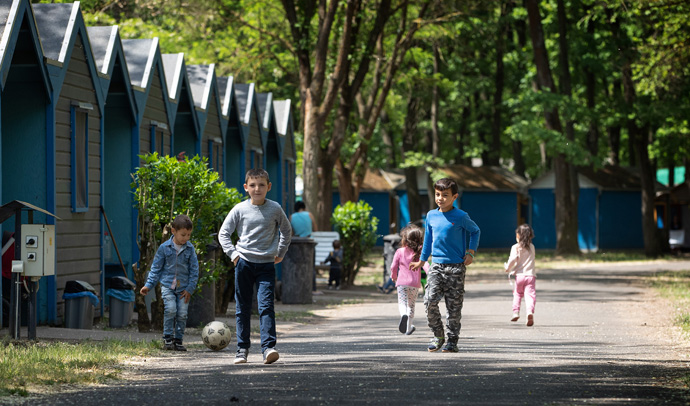
Since the founding of the organization Dorcas Ministries in 1991, this site has been part of a comprehensive ministry to the people of Hungary — especially those living in poverty and on the margins of society. The 5.5-hectare campground offers the opportunity for visitors to do sports, camp and organize conferences.
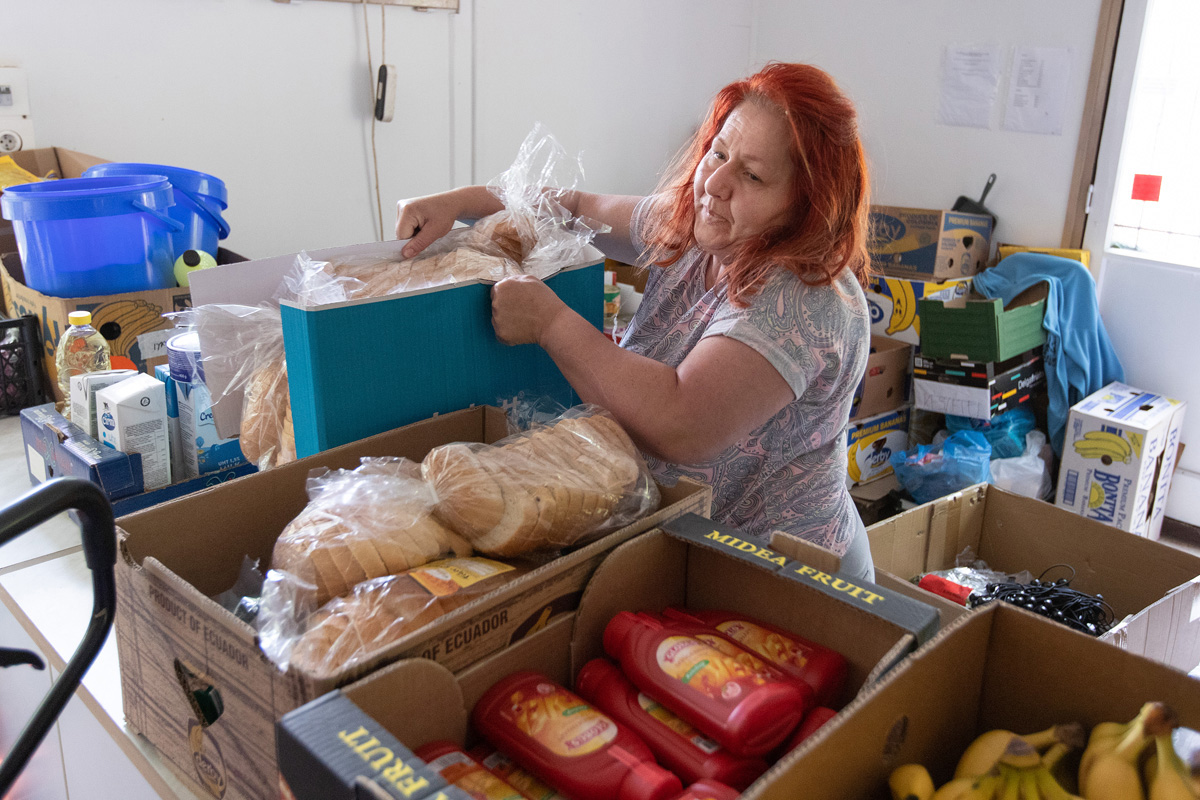
However, no one has spent vacation in the camp’s bungalows for many months. Since February 2022, the camp has housed refugees fleeing the war in Ukraine. Around 250 people have found refuge here. Ninety percent of them are Roma, a historically marginalized ethnic minority in Europe.
The United Methodist Church in Hungary helps support the people in this camp. The church has arranged weekly bread deliveries and, in cooperation with a United Methodist church in New Mexico, has purchased heating systems for the wooden houses. Before housing refugees, the camp had never been used during winter.
The United Methodists of Hungary also offer a spiritual home and a sustaining community at Debrecen United Methodist Church.
United Methodist churches stepped in recently when there were health concerns about the camp’s drinking water. Regular tests had shown that the pollution of the drinking water had increased so much that urgent measures were necessary to ensure safe consumption for people living in the camp.
Subscribe to our
e-newsletter
However, because a toxic cleaning solution had to remain in the pipe system for 20 hours, it was impossible to implement these measures while the refugees were living there.
So, in the last week of September, the 250 refugees and around 20 helpers had to be taken to a vacation center two-and-a-half hours' drive north of Debrecen for two days. There, a varied program awaited them: games, sports and creative activities, discussion groups, a worship service and other spiritual elements. The framework conditions and the program contributed to people opening up, and initial worries gave way to a confident and trustful serenity.
When the large group returned to the camp, clean drinking water was bubbling out of the taps to everyone's delight. The costs for bus transport, food, overnight accommodation and cleaning of the pipe network were largely borne by the EmK Weltmission, The United Methodist Church in Germany.
Schweizer is assistant to Bishop Stefan Zürcher in the Central Conference of Central and Southern Europe. Lukács Ábel Kiss, director of Dorcas Ministries, contributed to this story.
News media contact: Julie Dwyer at (615) 742-5470 or newsdesk@umnews.org. To read more United Methodist news, subscribe to the free Daily or Weekly Digests.


