Racial Justice

Church History
A protester holds a sign seeking an end to racial segregation in the Methodist Church during the 1968 General Conference in Dallas. The conference merged the denomination with the Evangelical United Brethren Church, creating The United Methodist Church, and did away with the racially segregated Central Jurisdiction. A new book by the Rev. Bonnie McCubbin details the long road for Black Methodists to get full equality in the denomination. Photo courtesy of United Methodist Commission on Archives and History.

Mapping the Black United Methodist pilgrimage

The Rev. Bonnie McCubbin, a historian, details the long road — with some setbacks and detours — for Black Methodists to get full equality in the denomination.
Social Concerns
Faith leaders carry a banner lifting up Jesus’ call for social justice in Matthew 25 during a Palm Sunday Witness in Nashville, Tenn. Photo by Mike DuBose, UM News.

United Methodists march on Palm Sunday

Christians in some 30 cities and 16 states across the U.S. joined together to protest rising authoritarianism, racism and Christian nationalism.
Social Concerns
The Rev. Noé Gabriel López, director of social impact and belonging in the Eastern Pennsylvania and Greater New Jersey conferences, and his wife, Iliana López Matos, who serves as the Cultural Competency Consultant for the conferences’ Bridges program, take part in “Faithful Resistance: A Public Witness for Immigrant Justice” Feb. 25 in Washington, D.C. The Rev. López chartered buses so church members from the conferences could join in the United Methodist-led event. Photo courtesy of the Rev. Sarah Borgstrom Lee.

With DEI dismantled, ministries still work for diversity

Several United Methodist annual conferences have staff members whose job titles call for them to promote multicultural ministries and racial equity. They’re doing this work at a time when DEI policies have been targeted by the Trump administration.
Racism
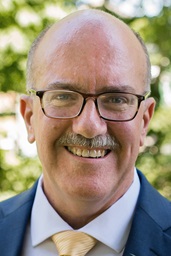
The Rev. Mike Hickcox. Photo courtesy of the author.

Celebrate Black History Month by listening to historic voices

Key figures in the Civil Rights Movement were interviewed on “Night Call,” a 1960s-era call-in radio program from United Methodist Communications.

Sign up for our newsletter!

Subscribe Now
Loading

United Methodist Communications is an agency of The United Methodist Church

©2026 United Methodist Communications. All Rights Reserved