
Key points:
- The Susquehanna Annual Conference celebrated a significant milestone: the 70th anniversary of women being granted full clergy rights in The United Methodist Church.
- “If we genuinely believe that God calls both women and men to preach the Gospel, shepherd congregations, administer the sacraments and lead Christ’s church, how do we live out that conviction?” writes the Rev. Mark Obrzut.
- God calls us to open doors for conversation, listen to the stories of those who are discerning their future, and encourage those seeking a place where their gifts may be received and nurtured.
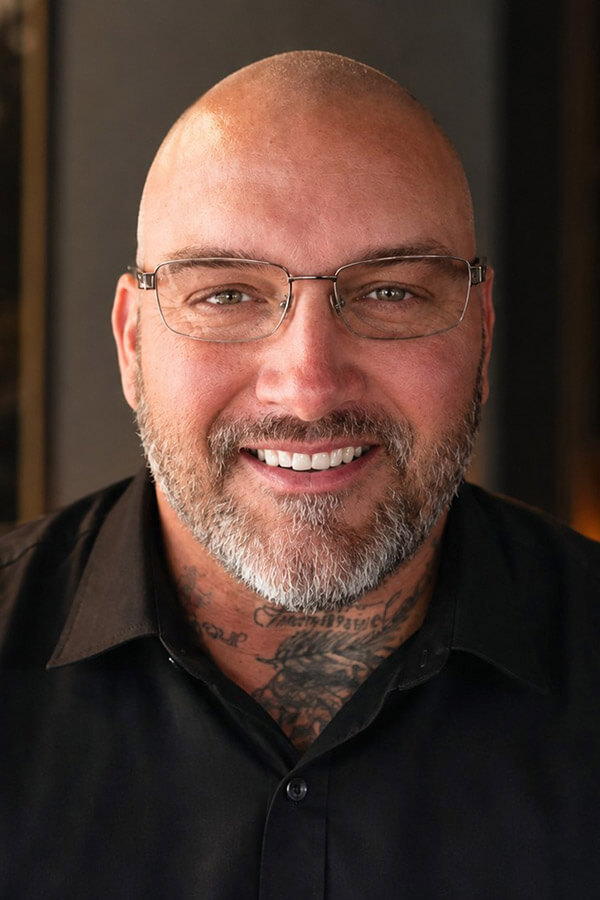
Photo courtesy of Lucy Obrzut.
Commentaries
During the recent Susquehanna Annual Conference of The United Methodist Church, we gathered around a simple but powerful theme: “Rise Up and Love Boldly.”
Jesus’ words in Matthew 22 remind us that the greatest commandments are to love God with all our heart, soul and mind, and to love our neighbor as ourselves. Our bishop challenged us to join a revolution of love — a movement committed to deepening our love for Christ, widening our love for neighbor, and transforming the world through faithful and courageous discipleship.
During that same conference, we celebrated a significant milestone: the 70th anniversary of women being granted full clergy rights in The United Methodist Church. Women working as pastors, licensed local pastors and deacons and in other roles were recognized and honored for their faithful service and leadership. It was a joyful reminder of a conviction our denomination has embraced for generations: God’s call to ministry is not limited by gender.
As I reflected on those celebrations, I thought about conversations taking place elsewhere in the Christian world. The Southern Baptist Convention, for example, continues to wrestle with questions regarding women serving in pastoral leadership. While Southern Baptists and United Methodists share faith in Jesus Christ, the authority of Scripture and the mission of making disciples, our denominations have reached different conclusions regarding women in ordained ministry.
My purpose is not to criticize Southern Baptists. Faithful Christians have struggled with these questions for generations, and sincere believers continue to interpret Scripture differently. This is not about winning an argument.
Rather, it is about asking: What does it mean for United Methodists to rise up and love boldly in this moment?
If we genuinely believe that God calls women as well as men to preach the Gospel, shepherd congregations, administer the sacraments and lead Christ’s church, how do we live out that conviction?
Our belief is rooted in Scripture. The Gospels tell us that women were among Jesus’ most faithful followers. Mary Magdalene was the first witness to the Resurrection and the first person sent to proclaim the risen Christ. Paul commended Phoebe as a deacon of the church, recognized Priscilla as a teacher and leader, and greeted Junia among the apostles. Again and again, Scripture shows God calling women to serve, teach, witness and proclaim the good news. As United Methodists, we see these examples as evidence that God’s call is given according to God’s grace and purpose, not according to gender.
That conviction leads me to another question: What if one expression of loving boldly is creating spaces of welcome for women who feel called to ministry but find themselves searching for a church home where that calling can flourish?
This is not about recruiting members from another denomination or treating ministry as a competition. The kingdom of God is larger than any denomination. It is about extending hospitality.
Throughout Scripture, we see God repeatedly calling people whom others overlooked. We see barriers removed. We see gifts recognized. We see unlikely leaders raised up for holy purposes. The church is at its best when it discerns and nurtures the gifts God places within people.
As United Methodists, we believe women are called by God to proclaim the Gospel and lead congregations. We celebrate women in ministry not because it is culturally popular, but because we believe God has called and equipped them.
Subscribe to our
e-newsletter
If that is true, then perhaps “Rise Up and Love Boldly” means more than celebrating our own history. Perhaps it also means opening doors for conversation, listening to the stories of those who are discerning their future, and offering encouragement to those seeking a place where their gifts may be received and nurtured.
Of course, we must evaluate practical considerations. Different denominations have different theological traditions, educational requirements and ordination processes. Not every person would find a home within The United Methodist Church, nor should we assume that everyone would want to do so.
Yet love begins not with solutions but with welcome.
Love does not require us to abandon our convictions. It calls us to live those convictions with open hearts, open minds and open doors.
The church’s first response should be hospitality. Through hospitality, love becomes visible.
As I reflect on our annual conference theme, I wonder if this is one way we can live it out. Not through arguments. Not through division. Not through trying to prove we are right.
But through love.
A love that trusts God still calls women and men alike. A love that recognizes gifts wherever they are found. A love that opens doors. A love that believes Christ’s church is strongest when every person whom God calls has the opportunity to answer.
If we are truly committed to rising up and loving boldly, perhaps that love should extend not only to those already within our congregations, but also to those who are still searching for a place where their calling can grow.
Obrzut, a United Methodist pastor in the Susquehanna Conference, serves Mount Zion United Methodist Church in Exeter Township, Pennsylvania. The views expressed are his own.
News media contact: Julie Dwyer, news editor, newdesk@umnews.org. To read more United Methodist news, subscribe to the free UM News Digest.


