
Key Points
- The Dakotas Conference reports that an online Q&A file, drawn from a webinar about General Conference, had its answers maliciously altered.
- The changes were unauthorized and do not reflect the responses or position of the Dakotas Conference, Bishop Lanette Plambeck stressed.
- The matter has been reported to local police.
The Dakotas Conference is reporting that an online Q&A document it shared about the upcoming General Conference was maliciously altered.
“The counterfeit document was littered with disinformation about our denomination and reeked of a spirit of divisiveness and deceit,” said Dakotas Conference Bishop Lanette Plambeck in a press release.
She added: “To be clear, the unauthorized edits do not reflect the responses or position of the Dakotas Conference or The United Methodist Church or our delegation (to General Conference).”
The matter has been turned over to the Mitchell, South Dakota, police department.
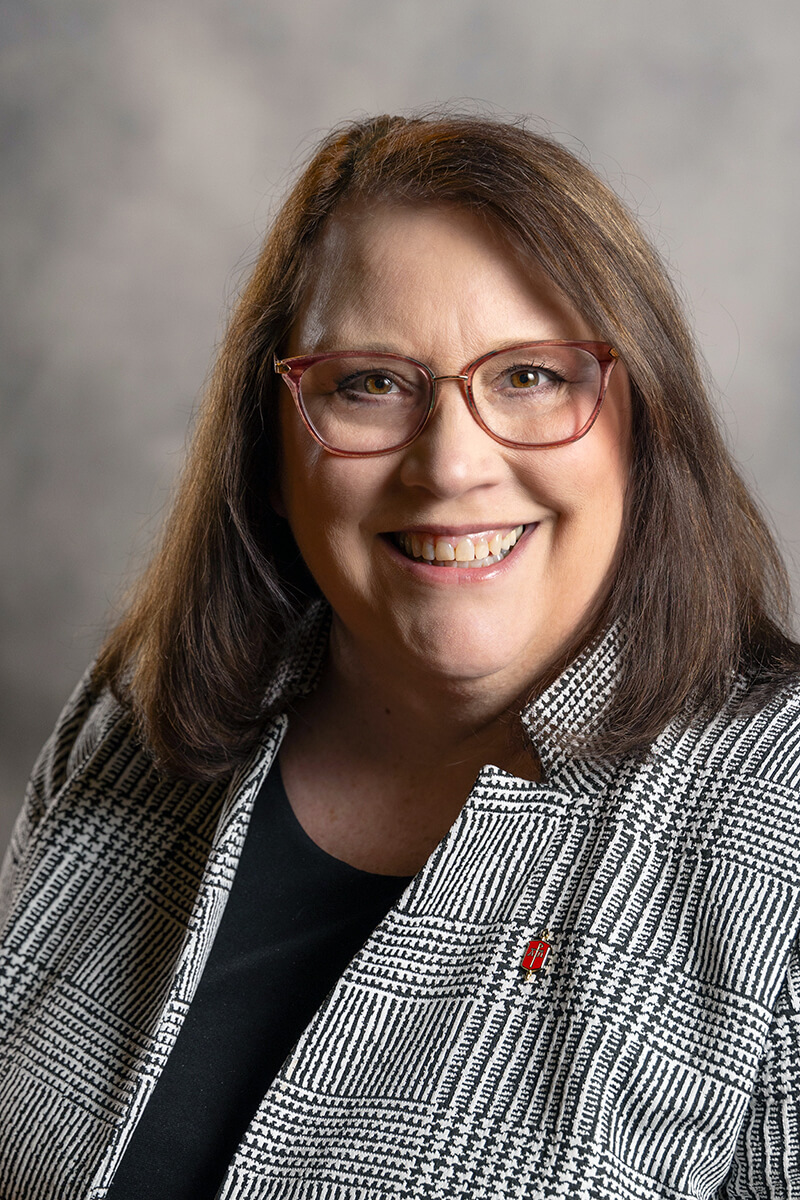
Photo courtesy of the Dakotas Conference.
“We cannot tolerate fraud or crimes being committed in any form,” Plambeck said. “I lament the damage caused by this person’s actions. We will pray for them even as we seek to work with law enforcement officials addressing this matter.”
On April 4 and 7, the Dakotas Conference delegates to General Conference conducted webinars about the church lawmaking assembly, which begins April 23 in Charlotte, North Carolina.
The delegates answered questions posted in the chat box, and those answers were edited and shared via Google Docs and included in a conference e-newsletter that posted April 8.
A “view only” feature was activated, but not until the next day, allowing time for alteration of the delegates’ answers.
Though the altered Q&A did not comport with the webinar, it was shared and discussed on social media outlets by some who have been critical of The United Methodist Church.
On April 15, the Rev. Rebecca Trefz, a General Conference delegate from the Dakotas Conference, heard from a pastor in another conference that “there’s some stuff on your Q&A” that raised alarms.
She said a quick inspection showed the document had been “incredibly altered.”
“It was pretty shocking, and in some ways it felt like somebody breaking into your home,” Trefz said.
The conference has continued to post the webinars and has removed the altered document and re-shared the original document, with the correct answers.
Questions dealt with a range of General Conference-related matters, including the proposed revision of the Social Principles, budgeting, divestment from church holdings in fossil fuel companies and disaffiliation.
Doreen Gosmire, director of communications for the Dakotas Conference, said the conference has an evidence trail that may help police determine who altered the document.
Plambeck stressed that because the Dakotas Conference is a large area, United Methodists there have been using Zoom since well before the pandemic — and are used to sharing documents as a reference point.
Subscribe to our
e-newsletter
“The Dakotas Conference has in place very secure processes that protect files, financial matters and personnel information,” she said. “Moving forward, as a precautionary measure, all public documents shared by the Dakotas Conference will include the conference logo.”
She encouraged local churches to put in place safeguards “against improper access to digital files.”
The United Methodist Church has offered advice to churches on cybersecurity.
Nancy Oviatt, Dakotas Conference chancellor, said, “The lesson for congregations and church leaders is that we are susceptible to intrusions in the digital world that is constantly changing. When such an intrusion takes place, it becomes a legal matter.”
Plambeck told UM News that Dakotas Conference members are familiar with the Wesleyan ideal, championed by the late episcopal leader and North Dakota native Reuben Job, of three simple rules: “Do no harm, do good and stay in love with God.”
She said the altered document incident won’t shake Dakotas Conference members from believing in and following those rules. But it’s been a jolt.
"My hope is that all of us, no matter who we are and what we believe, can live out the three simple rules — ‘Do no harm, do good, and stay in love with God,’ demonstrating our love for God and each other,” the bishop said.
Hodges is a Dallas-based writer for United Methodist News. Heather Hahn contributed. Contact them at 615-742-5470 or newsdesk@umcom.org. To read more United Methodist news, subscribe to the free Daily or Weekly Digests.


