Key points:
- The United States is growing older at an unprecedented rate, and The United Methodist Church has a role to play, writes a retired pastor.
- The U.S. debate around immigration policy raises questions about who will provide the care needed for older Americans. Many professional caregivers are immigrants, including thousands from Haiti and other nations.
- The church can advocate for policies that preserve human dignity while also preparing congregations to become communities where older adults flourish.
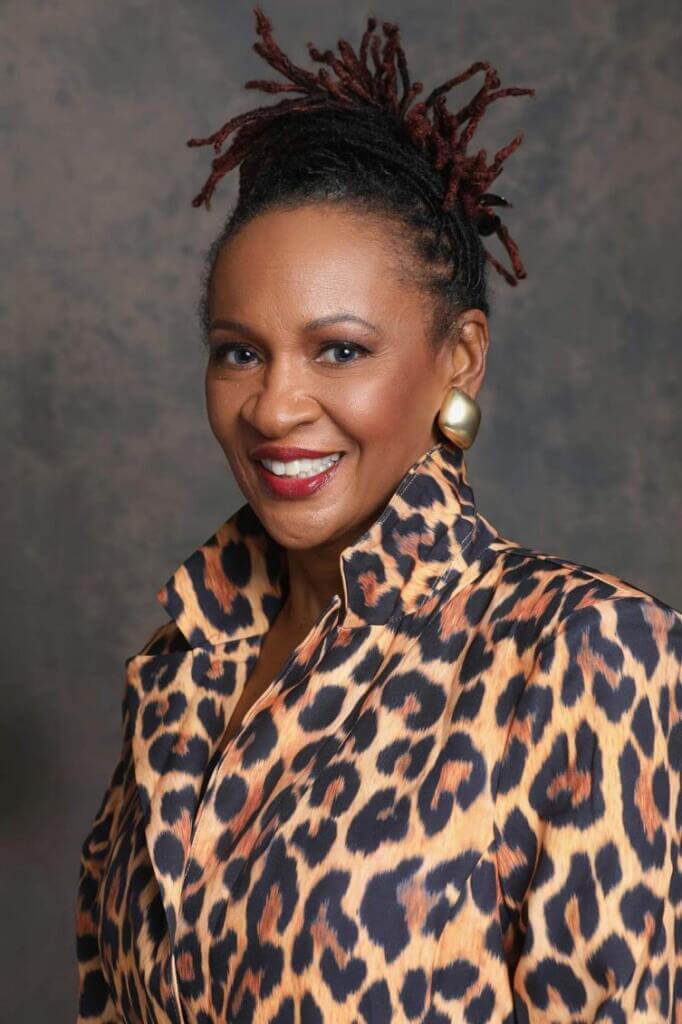
Photo courtesy of the author.
Commentaries
Every Sunday across our denomination, faithful United Methodists quietly slip into their pews carrying burdens few people see.
Some spent the night caring for a spouse with dementia.
Others drove an aging parent to a medical appointment before church.
Still others are raising grandchildren while trying to navigate their own health challenges.
These caregivers rarely ask for recognition. They simply keep showing up.
For generations, The United Methodist Church has been known for showing up as well. John Wesley insisted that there is no holiness but social holiness. Our history includes building hospitals, founding colleges, feeding hungry neighbors, advocating for justice, and caring for the vulnerable. We have long understood that faith is not simply what we believe. Faith is what we do.
Today, I believe God is calling us to another defining ministry: healthy aging and caregiving.
The United States is growing older at an unprecedented rate. Millions of older adults want to remain in their homes, connected to their churches, families and communities. Yet many require assistance with transportation, meals, medications, bathing or simply the companionship that preserves dignity and hope.
Who will provide that care?
That question has become increasingly urgent as our nation debates immigration policy. While immigration conversations often focus on borders, economics or politics, there is another reality receiving far less attention: Many professional caregivers serving older Americans are immigrants, including thousands from Haiti and other nations.
Whether discussing immigration reform, workforce shortages or elder care, people of faith cannot ignore the human consequences. Behind every policy debate is an older adult who simply needs someone to help them live safely and with dignity.
As United Methodists, our first response should never be fear or political allegiance. It should be compassion rooted in the Gospel.
Scripture repeatedly reminds us of God’s concern for older adults, the vulnerable and the stranger. We are instructed to “bear one another’s burdens” (Galatians 6:2), to “show hospitality to strangers” (Hebrews 13:2), and to honor those whose years have given them wisdom (Leviticus 19:32). Jesus consistently measured faithfulness not by ideology but by whether we cared for those in need.
Healthy aging, therefore, is not simply a healthcare issue.
It is a discipleship issue.
Many United Methodist congregations already understand this instinctively. Volunteers prepare meals. Stephen Ministers make visits. United Women in Faith organize care projects. Congregations provide transportation, respite care, prayer shawls, home communion and support groups. These ministries are beautiful expressions of grace.
But the demographic reality before us requires even more.
Our churches should become centers for healthy aging education. We should equip family caregivers before they reach exhaustion. We should offer exercise classes, memory support groups, caregiver respite ministries, mental health resources and opportunities for older adults to continue serving rather than quietly disappearing from congregational life.
Older adults are not the church’s past.
They are one of God’s greatest resources for its future.
Subscribe to our
e-newsletter
After serving more than three decades as a United Methodist pastor, I have watched older members disciple children, mentor young clergy, sustain mission projects and pray churches through difficult seasons. Their wisdom cannot be replaced. Their presence cannot be taken for granted.
My own passion for this ministry led me to write “We Ain’t Dead Yet: 20 Faith Moves for Women Aging with Power, Purpose, and Praise.” I wrote it because I believe growing older is not merely about adding years to life. It is about adding purpose, wellness, faith and joy to those years.
The United Methodist Church has always been at its best when it sees a need before the rest of society does.
This is one of those moments.
As our nation continues difficult conversations about immigration, healthcare and the caregiving workforce, the Church has an opportunity to model something different. We can advocate for policies that preserve human dignity while also preparing our congregations to become communities where older adults flourish and caregivers are supported rather than overwhelmed.
Healthy aging is not someone else’s ministry.
It is our ministry.
The question before us is not whether the U.S. is aging.
The question is whether the Church will lead with the compassion, courage and practical wisdom that have always marked the people called Methodist.
Patterson is retired clergy in the Horizon Texas Conference. She can be reached at www.drsheronpatterson.com.