
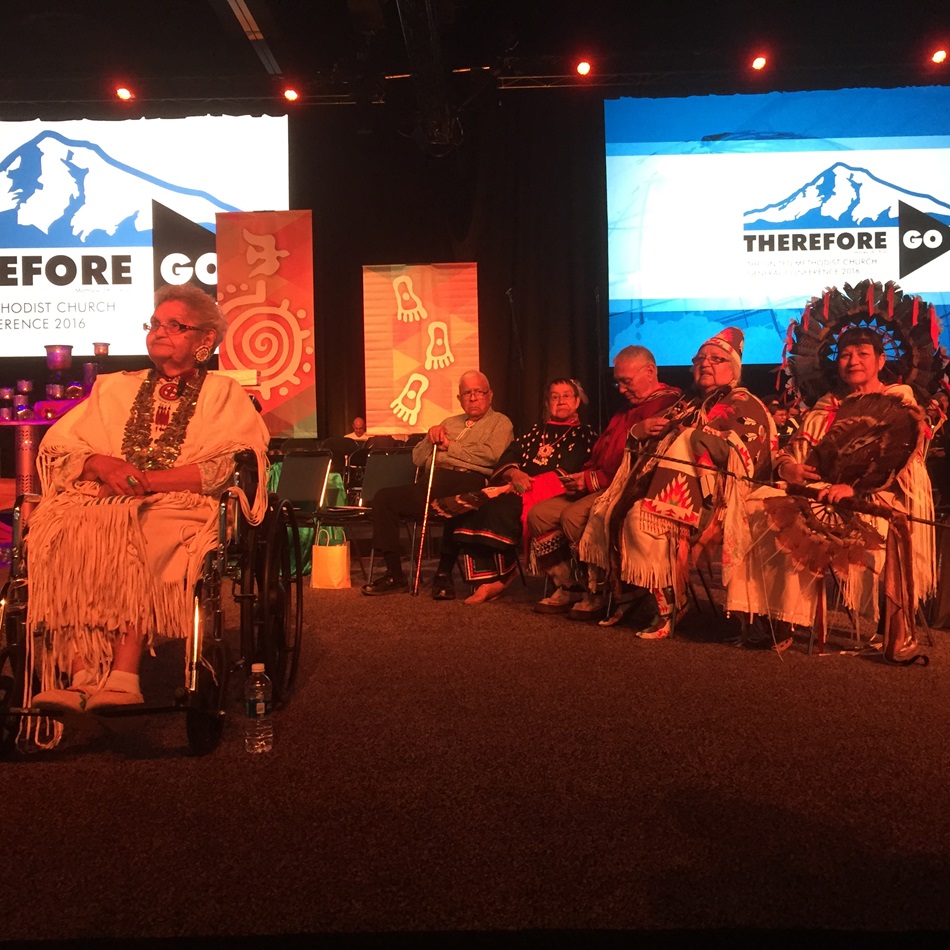
The opening worship of the 2016 General Conference of The United Methodist Church reminded us that we are a global church and people of many languages. This was most evident in the various languages, which included French, KiSwahili, Portugese, English and Korean, spoken for songs, prayers and Holy Communion.
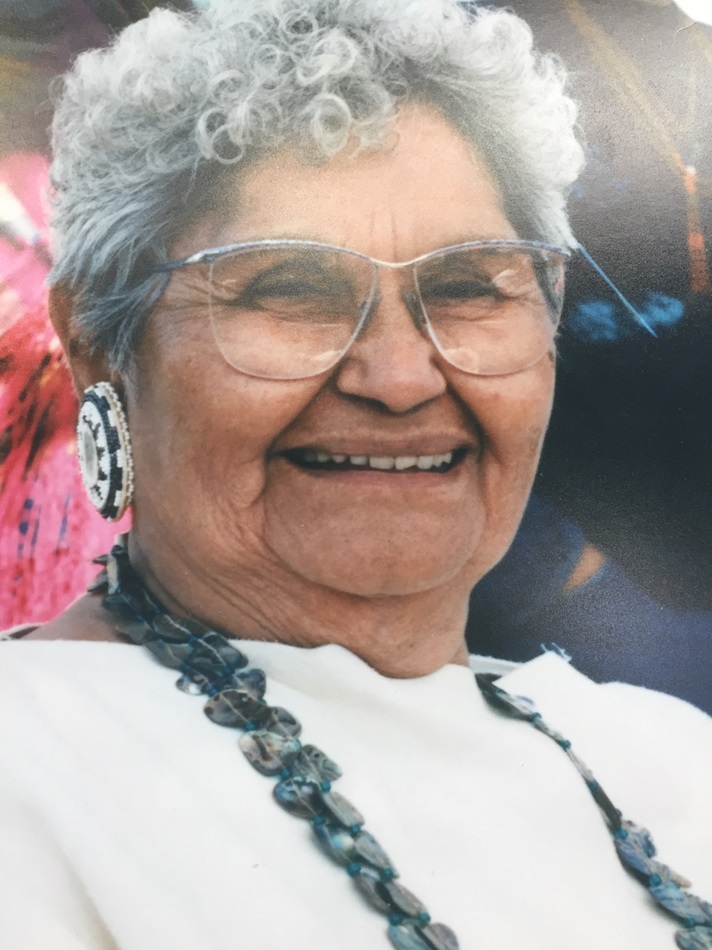
What is noteworthy is that while we are a global church we are a “local” people. The first act of opening worship was Kathryn Jones Harrison, former chairwoman of the Grand Ronde Trial Council welcoming GC2016 to the land of indigenous peoples of the Pacific Northwest. This welcoming is a reminder of the importance of deepening our understanding and cultivating our relationships with indigenous peoples in the Pacific Northwest.
Along the Pacific Northwest coast, the land of rich resources, many Native American nations developed, each with their own distinct history, culture and society. Some of the nations in the regions include Tlingit, Nisgaa, Chinook, Tillamook and Inupiaq in Alaska.
Charles Brower, a friend of mine and a Native American from the indigenous Inupiaq tribe in the Pacific Northwest, and I were reflecting on the opening worship. Charles, who is a pastor at Community United Methodist Church in Nome, Alaska, said, “What a wonderful opportunity it was to welcome GC2016 to the land of a number of indigenous peoples! Kathryn’s warm welcome and heartfelt remarks echo the desire of healing and unity that comes only from caring for one another – especially for the least among us.”
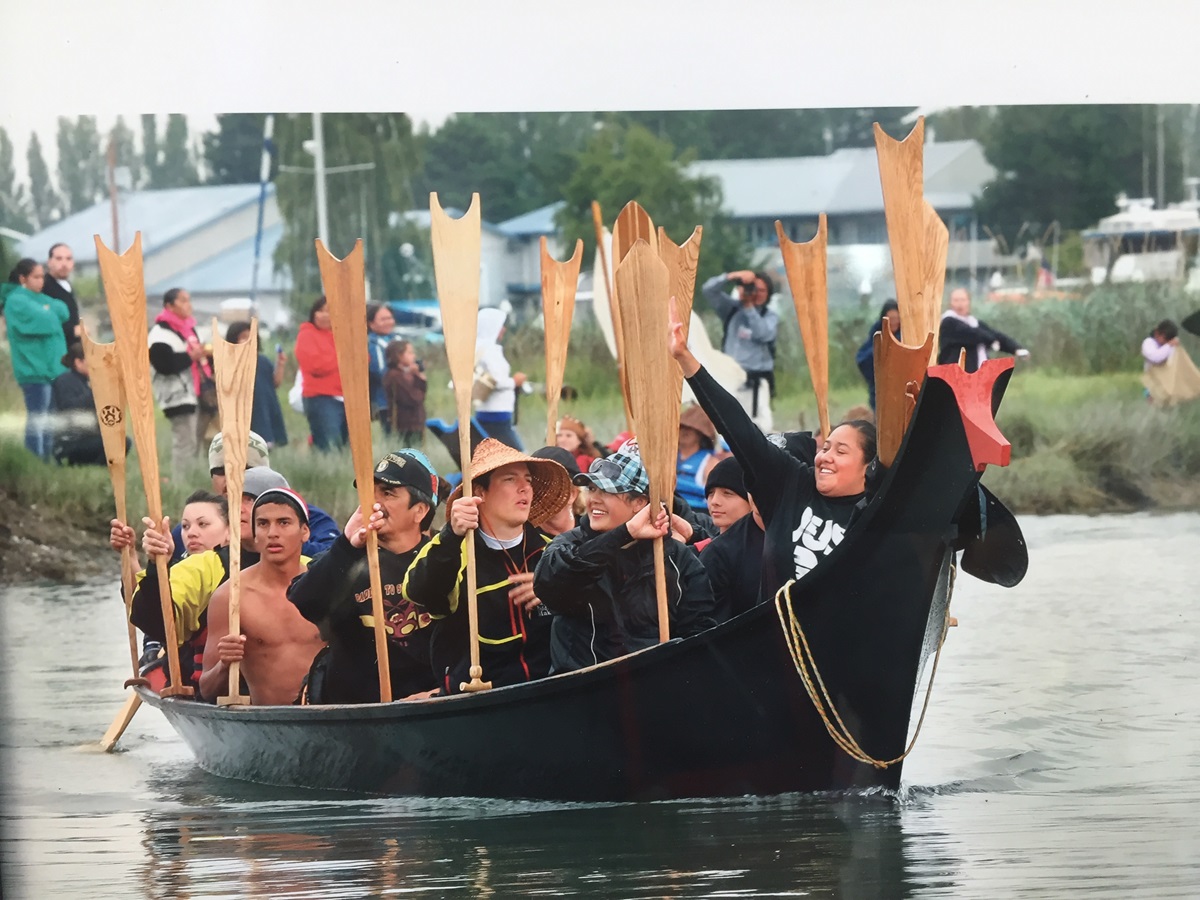
When I asked, “What is the significance of Kathryn welcoming GC2016 to the land of indigenous peoples?” Charles responded, “Kathryn extended the protocol of welcoming visitors who come in peace. There is a tradition that those arriving in canoes would hold their paddles in the air to signify a peaceful request to come ashore and hosts would then share the common bounties our Creator provides. In this respect, the Honoring Song the drummers offered at the opening worship was in the long tradition of honoring the grace and peace brought to the hosts by visitors. We, the indigenous peoples of The Pacific Northwest, welcome General Conference 2016 to our shores with hope for a united love of neighbor as God would have each of us love Him.”
My hope and prayer is this tradition of honoring the grace and peace colors the rest of the general conference.
Kang is Director of Mission and Ministry for the Rocky Mountain Conference.;
Like what you're reading? Support the ministry of UM News! Your support ensures the latest denominational news, dynamic stories and informative articles will continue to connect our global community. Make a tax-deductible donation at ResourceUMC.org/GiveUMCom.


