
Key points:
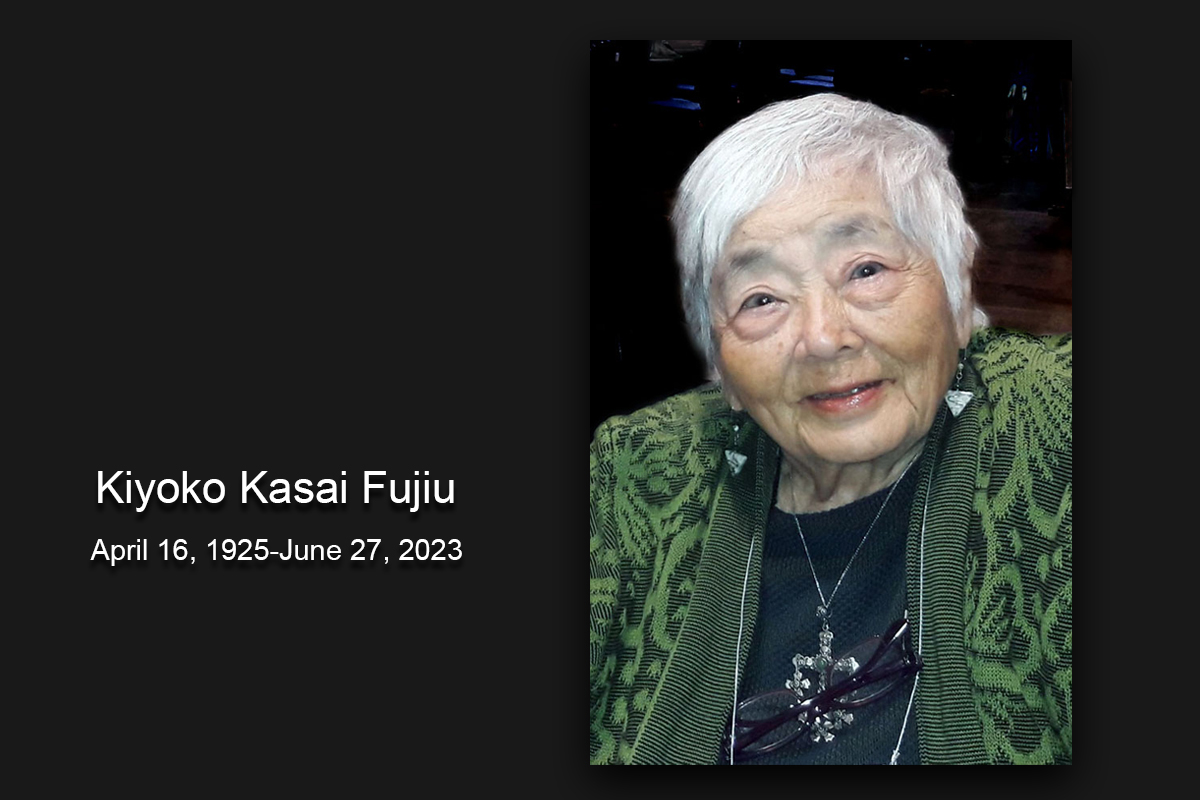
- Kiyoko Kasai Fujiu, former top executive of the Commission on the Status and Role of Women, died June 27 at age 98. She was the first Asian American woman to hold the position of general secretary in The United Methodist Church.
- She also was an advocate for full participation for women and racial ethnic peoples in The United Methodist Church and beyond.
- Both Fujiu and her husband spent their early years in internment camps during World War II.
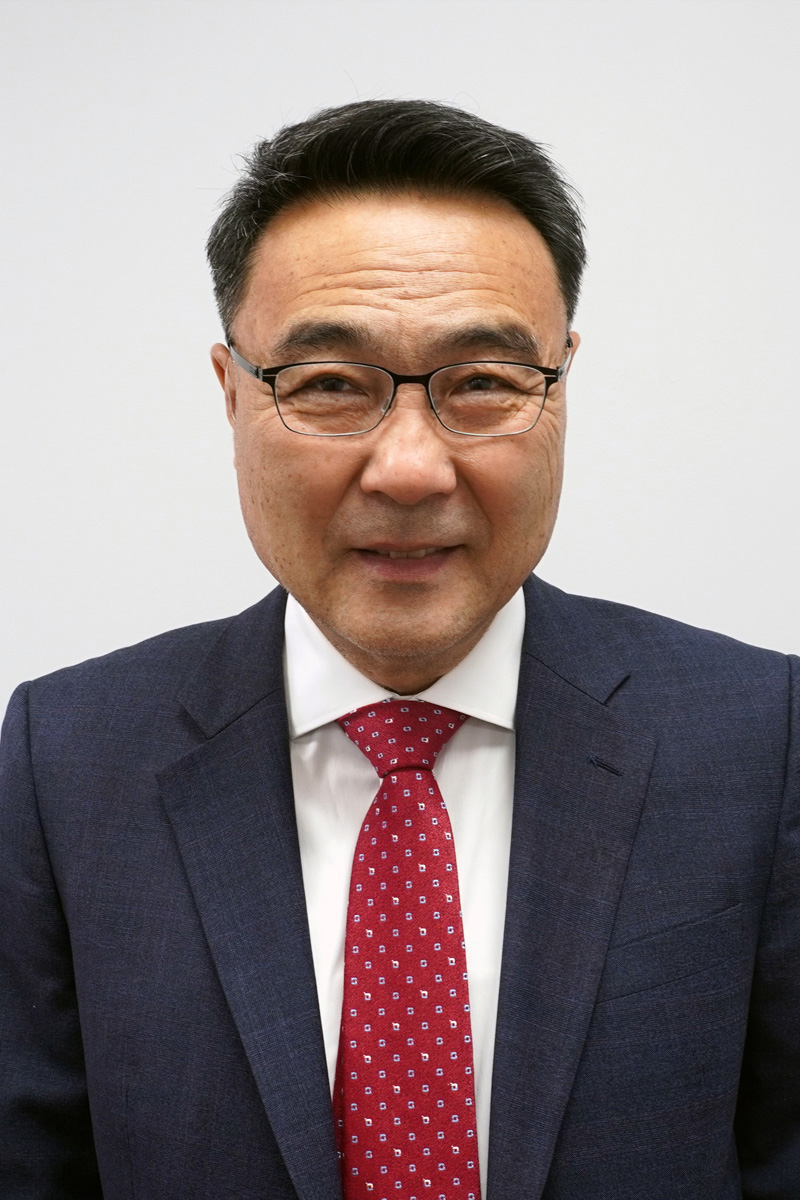
The Rev. Chongho James Kim.
Photo courtesy of the author.
Commentaries
Rest in peace, Kiyoko Kasai Fujiu! I give thanks to God for her beautiful 98 years of life lived.
Kiyoko was a trailblazer, a “little giant” for justice and equality. She was an advocate for full participation for women and racial ethnic peoples in The United Methodist Church and beyond.
She, along with Jonah Chang, Hae Jong Kim, Llyod Wake and Leo Constantino, helped found NFAAUM (National Fellowship of Asian American United Methodists) in 1975.
Kiyoko held the position of general secretary of the Commission on the Status and Role of Women — the first Asian American woman to hold the position of general secretary in The United Methodist Church. Additionally, she served as the president of the Fellowship of Asian Americans in the Northern Illinois Conference.
Alongside her late husband, the Rev. Victor Fujiu, Kiyoko played a pivotal role in uniting the Asian American community within the church in the 1980s.
The news of her passing last month has brought back memories from over 40 years ago. In 1980, Kiyoko, together with Dr. Robert Thornburg, installed me as the Asian American campus minister at Marsh Chapel, Boston University. Looking back, Kiyoko, a layperson, was the very first one to send me to do my ministry, a year before Bishop Jesse DeWitt ordained me in 1981.
The Fujius were among the Asian American leaders in The United Methodist Church who had a vision for empowering and strengthening Asian American churches. We owe a great debt of gratitude to pioneers like them for establishing Asian American churches and ministries within The United Methodist Church.
Kiyoko was instrumental in starting the Asian American campus ministry at Boston University, while the Rev. Fujiu was instrumental in initiating the Korean American campus ministry in the Chicago area, where I had the honor of serving as the director for 15 years. He was also my very first district superintendent in Chicago.
Both Fujius spent their early years in internment camps during World War II, carrying the scars of those difficult times. They were “wounded healers.”
As the very first Asian Americans to serve cross-cultural appointments in The United Methodist Church, they constantly encouraged and empowered me throughout the ordination process. In their own way, they wished for me to succeed without enduring the hardships they faced during their own ministry journey in the church.
Subscribe to our
e-newsletter
Many years after I left the Northern Illinois Conference to pastor a church in Atlanta, a district superintendent from Chicago contacted me to discuss with the leaders of Ravenswood United Methodist Church the appointment of a Korean man as their pastor. Most of the members of Ravenswood were second-generation Japanese Americans, and I had been a good friend of their previous pastor, Bill Johnson, as well as many church leaders. I told Kiyoko, “If you love him as you loved me, he will do very well there.” After a long pause, she responded, “Then why can't you come as our pastor?” and began to cry. We both wept for a long time.
God has taken a beautiful soul, a trailblazer who paved the way for many Asian American United Methodist leaders, a champion of gender and racial justice, a mentor to numerous young pastors, and a faithful servant of God. The Fujius were leaders among “the greatest generation” who loved and sacrificed for The United Methodist Church.
I left the Northern Illinois Conference in 1997. I was invited back by the Fellowship of Asian Americans to receive a leadership award a few years later. Kiyoko welcomed me with a big hug and said, “You have grown well, young man! Victor and I never stop hoping and praying for you. Thank you for becoming a fine UMC pastor.”
I have not seen Kiyoko for more than 20 years. But I never forgot to thank her. Kiyoko was the best embodiment of Asian American United Methodists.
Kiyoko, we love you. We will miss you. Rest in peace.
Kim is pastor of First United Methodist Church in Flushing, New York.
News contact: Joey Butler or Tim Tanton at (615) 742-5470 or newsdesk@umcom.org. To read more United Methodist news, subscribe to the free Daily or Friday (weekly) Digests.

