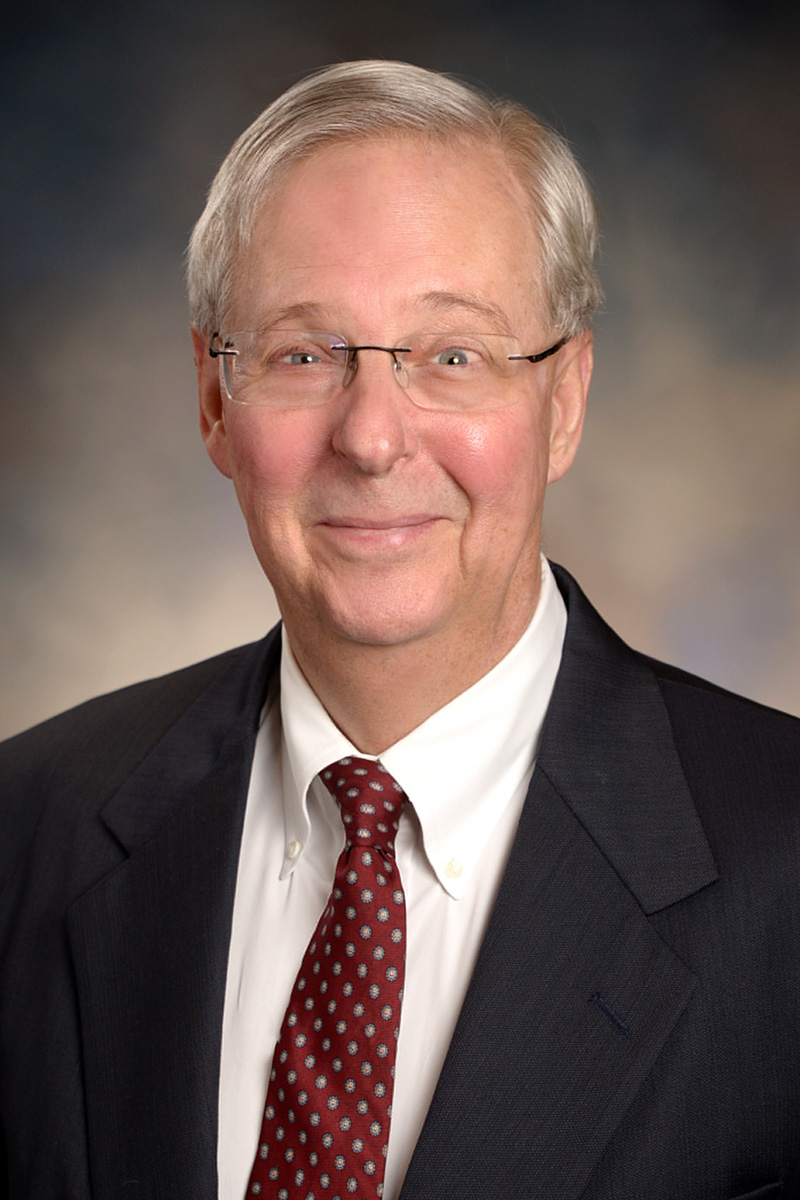
Richard F. Hicks.
Photo courtesy of the author.“Stop right there, white boy!” I heard shouted from inside the bar/BBQ joint.
It was 1971. I was 16, just old enough to drive one of my parents’ delivery vans for Tom’s Snack Foods.
I’d been assigned to serve the Green County route out of our home in Tuscaloosa, Alabama. Just eight years earlier, Alabama Gov. George Wallace — a Methodist — had stood “in the school house door” at the University of Alabama in Tuscaloosa to block the first Blacks from enrolling.
I now stood in front of the screen door of the beer and BBQ joint being denied entrance.
The owner came to the screen door to explain our world to me.
“The high sheriff of Green County will shut me down if a white teenager comes inside,” he said. “I can see you drive up. Just come to this screen door, and I’ll tell you what I need.”
I used this custom with all of the Black-owned businesses from then on. For the rest of that summer, we conducted business through screen doors.
Brown v. Board of Education had struck down separate-but-equal public schools the year before I was born. I attended integrated junior and senior high schools.
Commentaries
The Voting and Civil Rights acts had officially ended Jim Crow.
But there I and the Black business owners were in 1971, living in a twilight zone of change.
Today these rural Alabama businesses have probably gone. Almost all looked like the Whistle Stop Café in the movie Fried Green Tomatoes. I tear up recalling my childhood each time I see the final scene where the rusted and rotted down little stores had stood.
However, I don’t cry for the fear that segregation brought to the time and place in which I lived, where Black and white alike had our behaviors limited and monitored.
Hicks is a retired local pastor who is an active volunteer in prison ministry, a financial coach and an author whose latest book, “Your God is Still Too Small,” will be out in 2022. He resides in Oklahoma City.
To read more reflections on racism or submit your story, visit our landing page, We are God's family: Personal Encounters with Racism.
News contact: Tim Tanton or Joey Butler at (615) 742-5470 or newsdesk@umcom.org. To read more United Methodist news, subscribe to the free Daily or Weekly Digests.
Like what you're reading? Support the ministry of UM News! Your support ensures the latest denominational news, dynamic stories and informative articles will continue to connect our global community. Make a tax-deductible donation at ResourceUMC.org/GiveUMCom.